
GMP
GMP Facilities (Pharma · Cosmetics · Food)
OverviewGMP Facilities (Pharma · Medical Devices · Food)
Overview
- GMP plant construction and extensions
- Hospitals and pharmaceutical companies
- Food processing
- GMP systems
- HACCP systems
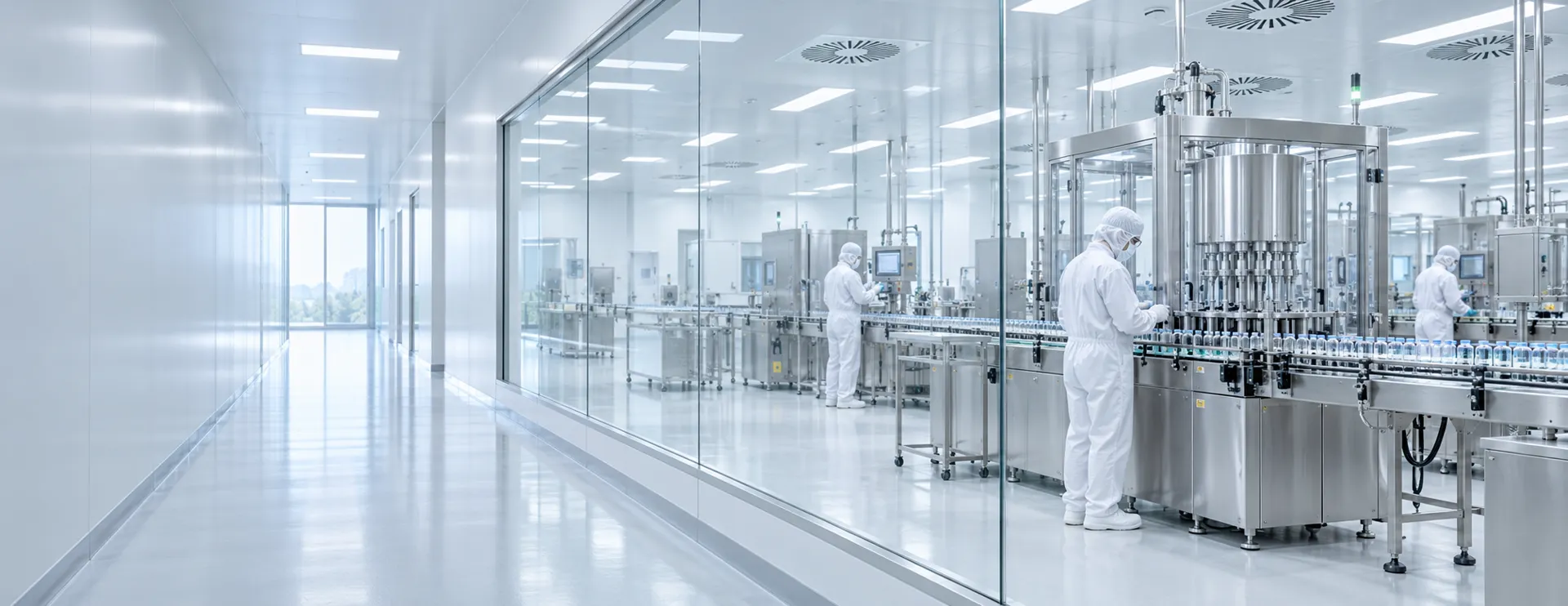
Cleanrooms that meet GMP standards prevent contamination, cross-contamination and quality deterioration, helping provide consumers with safe products of consistent quality. New GMP (Good Manufacturing Practice) plant construction creates clean production facilities with strict environmental standards for high-quality, safe products such as pharmaceuticals and medical devices.
Scope of WorkWhat we deliver
Scope of work
 01
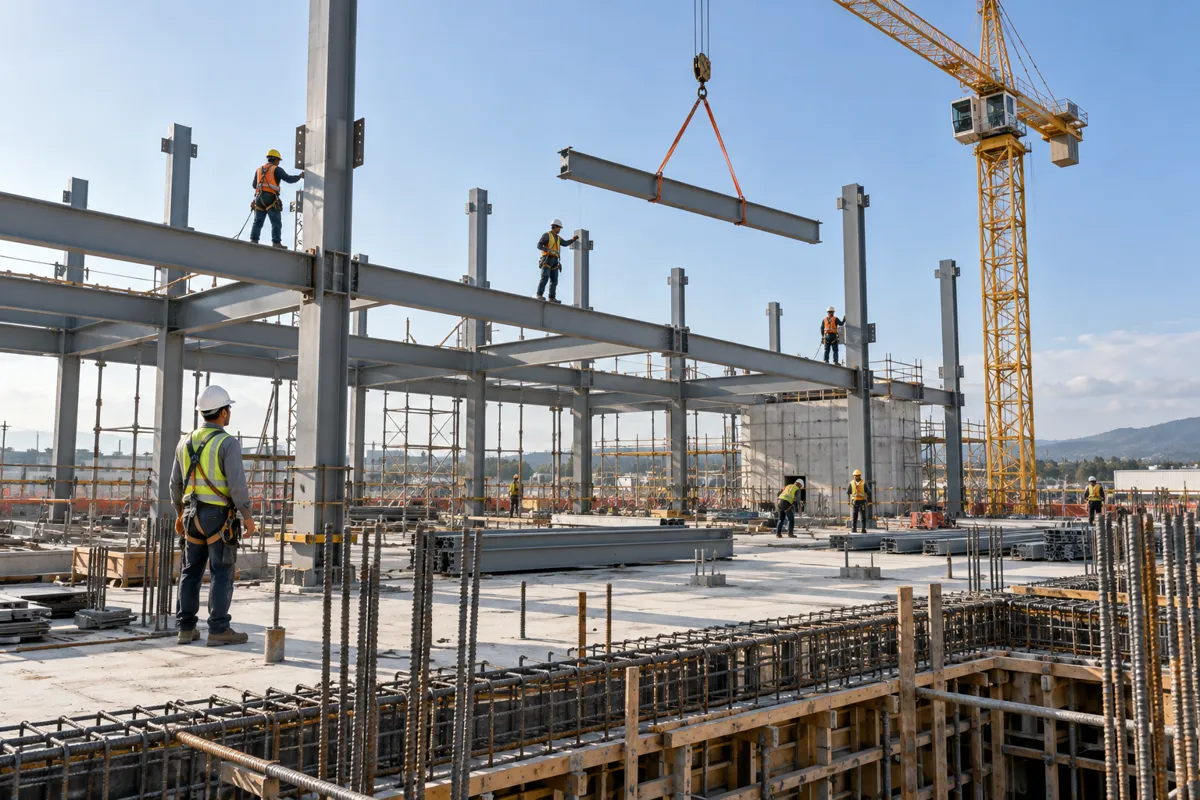
New GMP plant construction
New GMP (Good Manufacturing Practice) plant construction creates clean production facilities with strict environmental standards for high-quality, safe products such as pharmaceuticals and medical devices.
 02
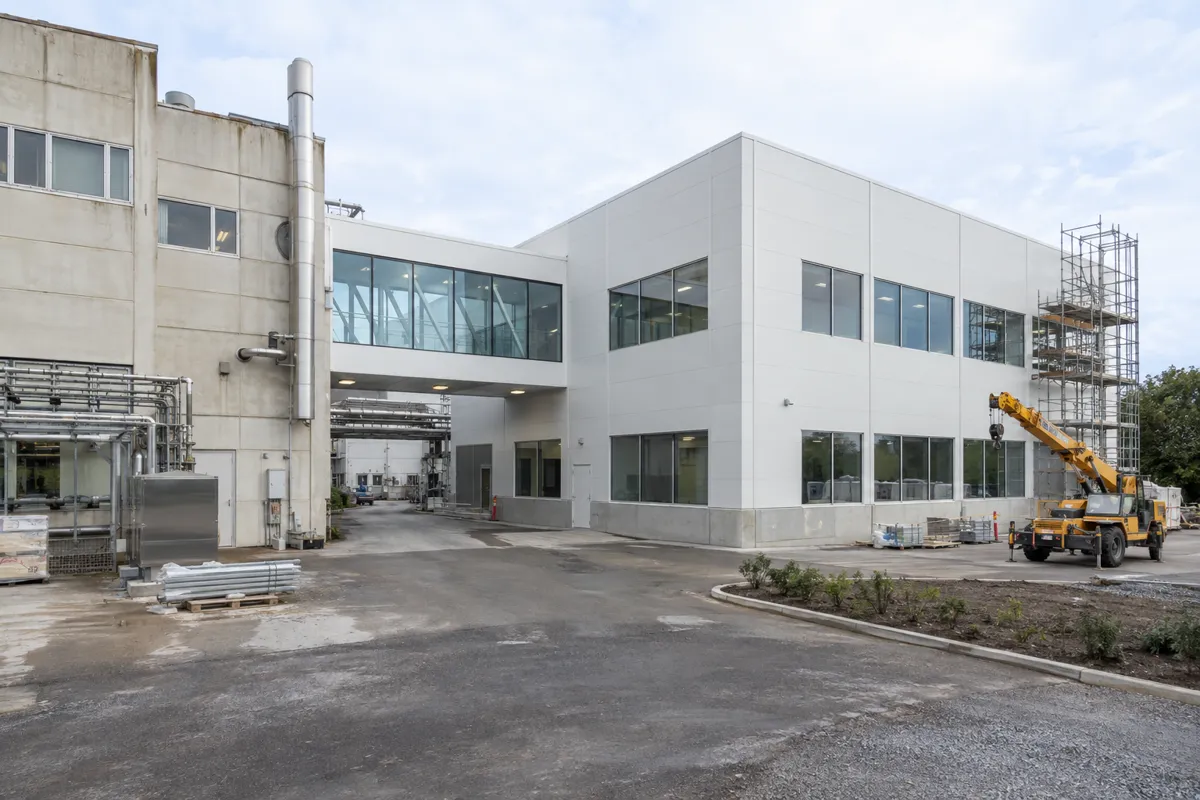
GMP extensions and remodeling
GMP plant extensions and remodeling expand and improve existing structures and systems to increase cleanliness, production capacity and efficiency.
 03
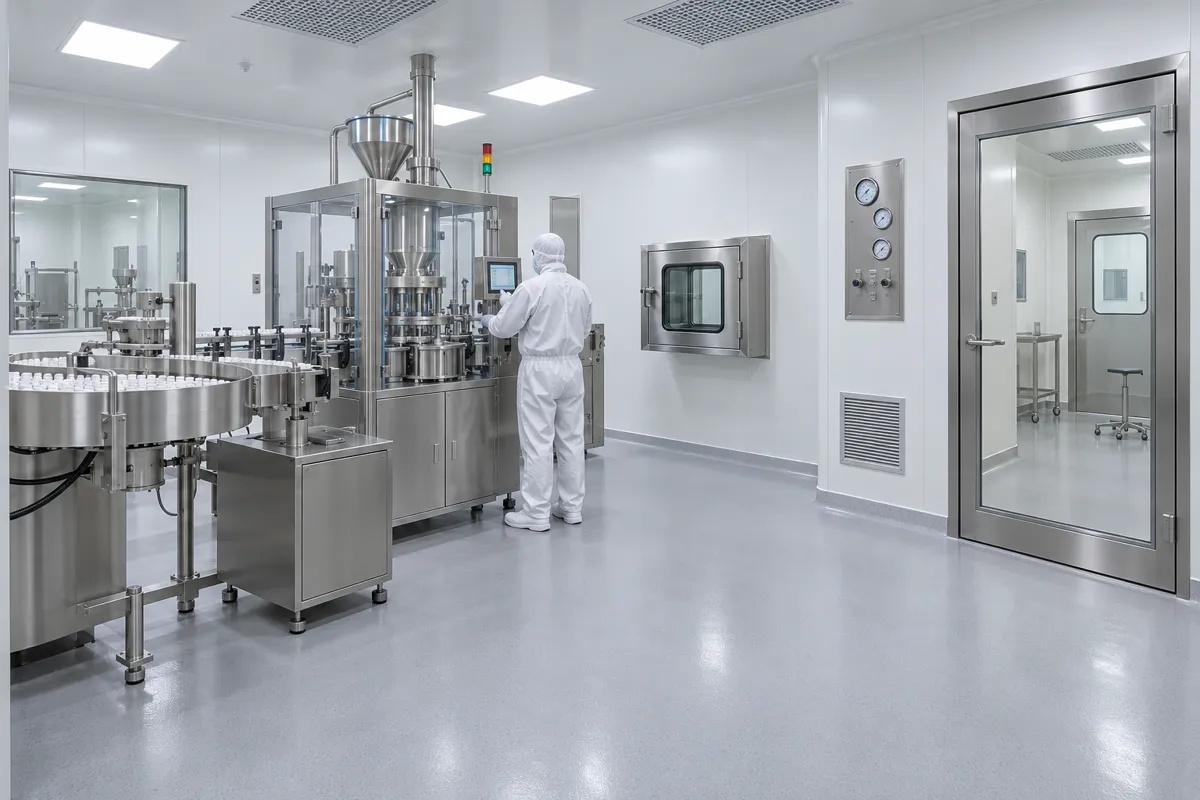
GMP cleanrooms
Cleanrooms that meet GMP standards prevent contamination, cross-contamination and quality deterioration, helping provide consumers with safe products of consistent quality.
 04
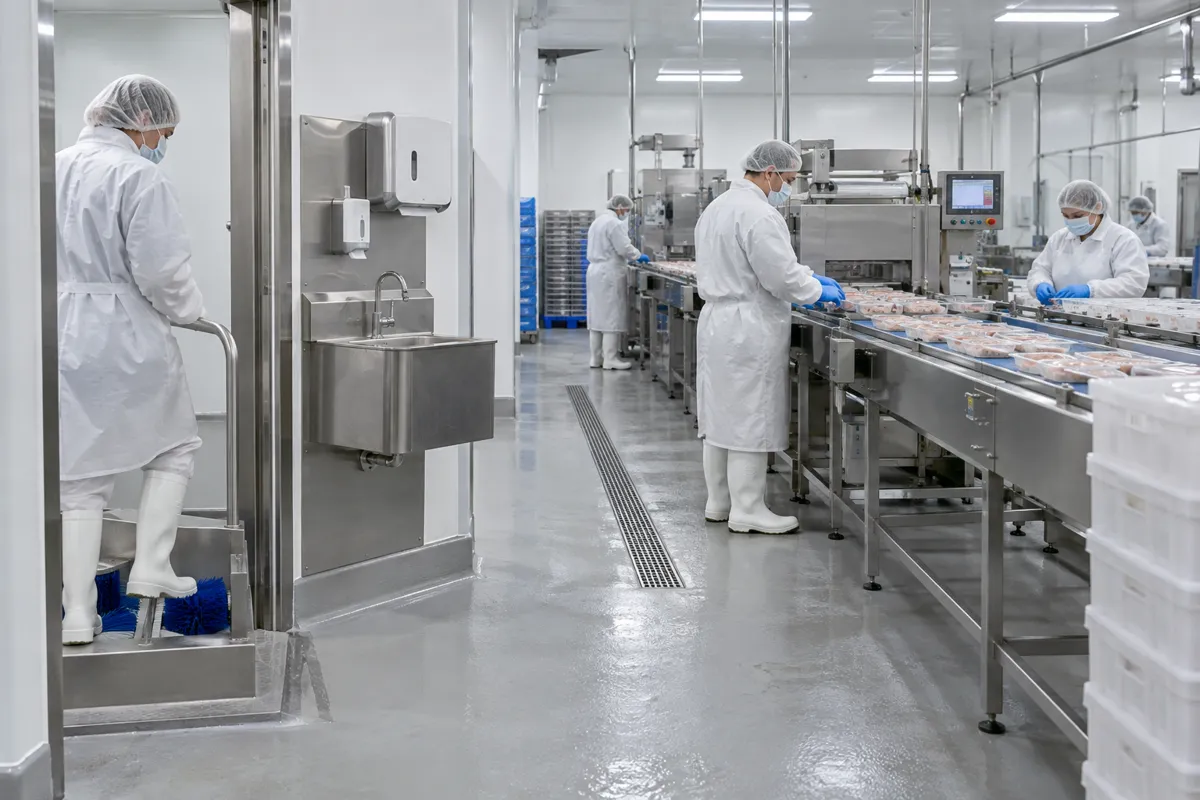
HACCP cleanrooms
HACCP cleanrooms are hygienic spaces designed and operated to minimise contamination risks and maintain a clean production environment under HACCP principles.
 05
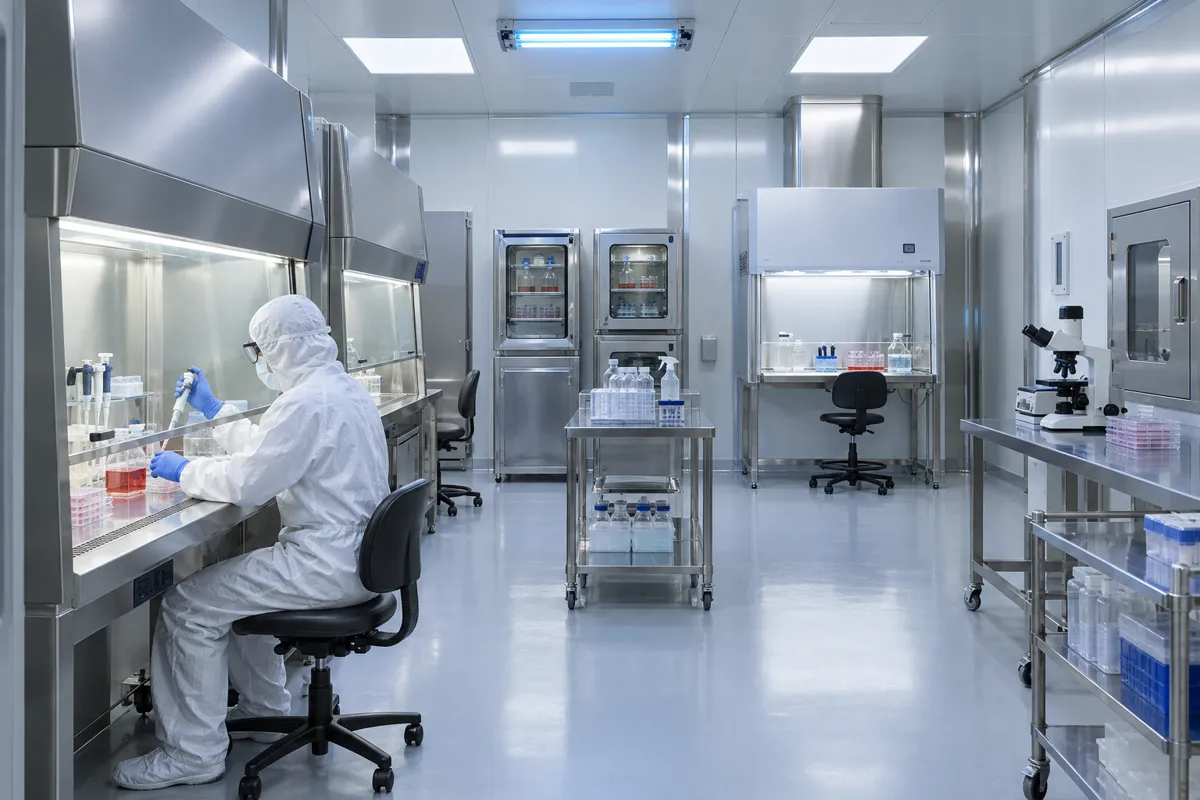
BCR cleanrooms
Biological cleanrooms strictly control temperature, humidity and pressure to defined standards while effectively managing airborne microorganisms and biological particles.
New GMP plant constructionNew GMP plant construction
New GMP plant construction
New GMP (Good Manufacturing Practice) plant construction creates clean production facilities with strict environmental standards for high-quality, safe products such as pharmaceuticals and medical devices.
New GMP construction prevents product contamination and quality deterioration and establishes production environments that meet international standards.
Scope of new GMP construction
- 01Structural worksSteel/reinforced concrete, seismic and load-bearing design, and floor flatness
- 02Interior worksGrade-specific wall, ceiling and floor finishes, contamination-prevention structures and aseptic/dust-free materials
- 03Building servicesHVAC, HEPA/ULPA filters, temperature, humidity and pressure control, electrical and fire-protection utilities
- 04Auxiliary systemsAir showers, pass boxes, access control, clean lockers and automatic doors
- 05Testing and certificationCleanliness, microbial and particle-concentration tests; support for GMP grade certification
New-build considerations
- grade-specific design and construction
- energy efficiency
- ease of maintenance
- compliance with laws and certification standards
- contamination prevention and safety management
View as table
| Category | Details |
|---|---|
| Structural works | Steel/reinforced concrete, seismic and load-bearing design, and floor flatness |
| Interior works | Grade-specific wall, ceiling and floor finishes, contamination-prevention structures and aseptic/dust-free materials |
| Building services | HVAC, HEPA/ULPA filters, temperature, humidity and pressure control, electrical and fire-protection utilities |
| Auxiliary systems | Air showers, pass boxes, access control, clean lockers and automatic doors |
| Testing and certification | Cleanliness, microbial and particle-concentration tests; support for GMP grade certification |
- Site preparation, foundations, structural construction and other basic building works
- Grade-specific cleanroom interiors and HVAC/ventilation systems with HEPA/ULPA filters
- Electrical, fire-protection and utility systems, air showers, pass boxes and auxiliary equipment
- Post-completion cleanliness and performance testing and GMP certification support
GMP extensions and remodelingGMP extensions and remodeling
GMP extensions and remodeling
GMP plant extensions and remodeling expand and improve existing structures and systems to increase cleanliness, production capacity and efficiency.
GMP extensions and remodeling expand existing cleanrooms and systems to improve quality and productivity and accommodate new product groups and increased output.
Scope of GMP extensions and remodeling
- 01Structural worksIntegration with existing structures, seismic and load-bearing reinforcement, and floor flatness
- 02Interior worksGrade-specific wall, ceiling and floor finishes, contamination-prevention structures and aseptic/dust-free materials
- 03Building servicesHVAC, HEPA/ULPA filters, temperature, humidity and pressure control, electrical and fire-protection utilities
- 04Auxiliary systemsAir showers, pass boxes, access control, clean lockers and automatic doors
- 05Testing and certificationCleanliness, microbial and particle-concentration tests; support for GMP grade certification
Extension considerations
- integration and expandability
- contamination prevention and safety during construction
- energy efficiency
- ease of maintenance
- compliance with laws and certification standards
View as table
| Category | Details |
|---|---|
| Structural works | Integration with existing structures, seismic and load-bearing reinforcement, and floor flatness |
| Interior works | Grade-specific wall, ceiling and floor finishes, contamination-prevention structures and aseptic/dust-free materials |
| Building services | HVAC, HEPA/ULPA filters, temperature, humidity and pressure control, electrical and fire-protection utilities |
| Auxiliary systems | Air showers, pass boxes, access control, clean lockers and automatic doors |
| Testing and certification | Cleanliness, microbial and particle-concentration tests; support for GMP grade certification |
- Design and expansion integrated with existing structures
- Higher cleanroom grades or larger areas; expansion and modernisation of HVAC, ventilation, electrical and utility systems
- Improved production flows and contamination barriers; contamination prevention and safety measures during construction
- Integrated performance testing after completion and support for GMP recertification
GMP cleanroomsGMP cleanrooms
GMP cleanrooms
Cleanrooms that meet GMP standards prevent contamination, cross-contamination and quality deterioration, helping provide consumers with safe products of consistent quality.
GMP cleanrooms minimise product contamination by strictly controlling airborne particles, microorganisms, temperature, humidity and pressure.
Systematic management of personnel, material and equipment access and work procedures maintains aseptic and clean environments.
GMP cleanroom management criteria
- 01Cleanliness grades
For sterile medicinal products, Grades A, B, C and D have different particle and microbial limits
- 02Environmental control
HEPA air filtration, precise temperature, humidity and pressure control, and regular monitoring
- 03Structures and systems
Walls, ceilings and floors designed for contamination prevention and easy cleaning; air showers, pass boxes and other barriers
- 04Personnel management
Grade-specific aseptic/dust-free clothing, access procedures and hygiene training
- 05Documentation and records
Document all work and environmental management under standard procedures for GMP compliance and quality assurance
View as table
| Category | Details |
|---|---|
| Cleanliness grades | For sterile medicinal products, Grades A, B, C and D have different particle and microbial limits |
| Environmental control | HEPA air filtration, precise temperature, humidity and pressure control, and regular monitoring |
| Structures and systems | Walls, ceilings and floors designed for contamination prevention and easy cleaning; air showers, pass boxes and other barriers |
| Personnel management | Grade-specific aseptic/dust-free clothing, access procedures and hygiene training |
| Documentation and records | Document all work and environmental management under standard procedures for GMP compliance and quality assurance |
- Product quality and safety: preventing microbial and foreign-matter contamination protects sensitive products such as pharmaceuticals and medical devices.
- Compliance with international standards and regulations: manufacturing environments can meet domestic and international requirements such as FDA and ISO 13485.
- Consistent production: systematic control of temperature, humidity, pressure and other variables maintains consistent quality.
Cleanroom gradesCleanroom grades
Cleanroom grades
Sterile medicinal product facilities are divided into four grades, A, B, C and D, each with its own airborne particle and microbial limits. The values below are taken verbatim from Annex 1 (sterile medicinal products) of the Korean MFDS GMP regulation and EU GMP Annex 1 (2022). Grades A–D are a sterile-medicines standard; the Korean medical device GMP and HACCP regulations do not set these grade limits.
Limits by cleanroom grade for sterile medicinal products
- Grade A
- Microbial action limits Air CFU/m³ / settle plate CFU/4 h
- No growth
- Clothing
- Sterilised garments
- Example operations
- High-risk operations such as aseptic filling and sealing, aseptic connections, aseptic compounding and mixing (localised airflow protection such as unidirectional airflow within RABS or isolators)
- Grade B
- Microbial action limits Air CFU/m³ / settle plate CFU/4 h
- 10 / 5
- Clothing
- Sterilised garments
- Example operations
- Background cleanroom for Grade A (when not an isolator) Protected conveying or staging of equipment and components before Grade A
- Grade C
- Microbial action limits Air CFU/m³ / settle plate CFU/4 h
- 100 / 50
- Clothing
- Single or two-piece trouser suit
- Example operations
- Preparation of solutions to be filtered, including sampling and dispensing
- Grade D
- Microbial action limits Air CFU/m³ / settle plate CFU/4 h
- 200 / 100
- Clothing
- General protective suit
- Example operations
- Cleaning of equipment and handling of cleaned components and equipment Assembly of cleaned components under HEPA-filtered airflow before sterilisation
Particle limits (monitoring) ≥0.5µm / ≥5µm per m³
- A · At rest3,520 / 29
- A · In operation3,520 / 29
- B · At rest3,520 / 29
- B · In operation352,000 / 2,930
- C · At rest352,000 / 2,930
- C · In operation3,520,000 / 29,300
- D · At rest3,520,000 / 29,300In operation: not predetermined
Bar lengths use a log scale.
Bar lengths follow the 0.5µm particle count.
View as table
| Grade | Example operations | Particle limits (monitoring) ≥0.5µm / ≥5µm per m³ | Microbial action limits Air CFU/m³ / settle plate CFU/4 h | Clothing |
|---|---|---|---|---|
| A | High-risk operations such as aseptic filling and sealing, aseptic connections, aseptic compounding and mixing (localised airflow protection such as unidirectional airflow within RABS or isolators) | At rest: 3,520 / 29 In operation: 3,520 / 29 | No growth | Sterilised garments |
| B | Background cleanroom for Grade A (when not an isolator) Protected conveying or staging of equipment and components before Grade A | At rest: 3,520 / 29 In operation: 352,000 / 2,930 | 10 / 5 | Sterilised garments |
| C | Preparation of solutions to be filtered, including sampling and dispensing | At rest: 352,000 / 2,930 In operation: 3,520,000 / 29,300 | 100 / 50 | Single or two-piece trouser suit |
| D | Cleaning of equipment and handling of cleaned components and equipment Assembly of cleaned components under HEPA-filtered airflow before sterilisation | At rest: 3,520,000 / 29,300 In operation: not predetermined | 200 / 100 | General protective suit |
- Particle limits: maximum total particles per m³ during environmental monitoring (cumulative, at or above the size shown). Grade D in-operation limits are not predetermined; the manufacturer sets them from risk assessment and routine data. The ≥5µm value of 29 is a monitoring limit; for classification (qualification) no ≥5µm limit is specified for Grade A (at rest and in operation) or Grade B at rest (classification including 5µm particles may be considered where the contamination control strategy or historical trends indicate it).
- Microbial action limits: settle plates of 90mm diameter exposed for up to 4 hours. Any growth in Grade A is investigated.
- Airflow and pressure (guidance values): unidirectional airflow in Grade A of 0.36–0.54m/s at the working position; at least 10Pa between adjacent rooms of different grades. Neither source sets air-change rates by grade.
- Clothing: Grades A and B sterilised suit, sterile mask, goggles and gloves; Grade C single or two-piece trouser suit gathered at the wrists with a high neck; Grade D general protective suit with hair and beards covered; disinfected shoes or overshoes in Grades C and D.
- Sources: MFDS Regulation on Good Manufacturing Practice for Medicinal Products (Notice 2024-87), Annex 1, sections 4, 4.2, 7, 8.2, 9.3 and 9.4 (in force for sterile finished products from 28 Dec 2025 and sterile APIs from 28 Dec 2026); EU GMP Annex 1 (2022), sections 4.4, 4.14, 4.30, 7.13 and Tables 1, 2, 4, 5 and 6.
HACCP cleanroomsHACCP cleanrooms
HACCP cleanrooms
HACCP cleanrooms are hygienic spaces designed and operated to minimise contamination risks and maintain a clean production environment under HACCP principles.
They ensure the safety and quality of sensitive products such as food and are essential for hygiene compliance and consumer trust.
HACCP cleanrooms apply to food manufacturing and processing, meat, dairy and seafood processing, catering facilities and restaurants.
HACCP workplace zoning
- Clean zone
Workplaces are separated into a clean zone and a general zone; depending on the food, the clean zone may be further divided into clean and semi-clean zones.
- General zone
Kept apart from the clean zone, by separation, partitioning or demarcation according to the product and the process.
- Hygiene rules by zone
Each zone has its own hygiene rules covering entry, clothing, and cleaning and disinfection.
- Cleanliness monitoring
Airborne settling bacteria and similar indicators are measured and managed under the site's own plan. Workplaces whose cleanliness cannot affect the food, for example through automation or because food is not exposed or is handled packaged, may be exempt. The regulation sets no common numeric limit by zone.
- Ventilation and barriers
Ventilation removes odours, harmful gases and vapour; air intakes and exhausts open to the outside are fitted with filters or insect screens.
View as table
| Category | Details |
|---|---|
| Clean zone | Workplaces are separated into a clean zone and a general zone; depending on the food, the clean zone may be further divided into clean and semi-clean zones. |
| General zone | Kept apart from the clean zone, by separation, partitioning or demarcation according to the product and the process. |
| Hygiene rules by zone | Each zone has its own hygiene rules covering entry, clothing, and cleaning and disinfection. |
| Cleanliness monitoring | Airborne settling bacteria and similar indicators are measured and managed under the site's own plan. Workplaces whose cleanliness cannot affect the food, for example through automation or because food is not exposed or is handled packaged, may be exempt. The regulation sets no common numeric limit by zone. |
| Ventilation and barriers | Ventilation removes odours, harmful gases and vapour; air intakes and exhausts open to the outside are fitted with filters or insect screens. |
- Source: MFDS HACCP Standards for Food and Livestock Products (Notice 2026-60, in force 11 Aug 2026), Annex 1 prerequisite programmes I.A.3, I.B.15, 17 and 18, and I.G.50.
- HACCP can improve safety, hygiene and confidence in product quality, meet domestic/international hygiene and quality certifications such as HACCP and ISO 22000 and legal requirements, and improve efficiency while reducing contamination and defects.
BCR cleanroomsBCR cleanrooms
BCR cleanrooms
Biological cleanrooms strictly control temperature, humidity and pressure to defined standards while effectively managing airborne microorganisms and biological particles.
BCRs focus on microbial as well as particle contamination, mainly in pharmaceuticals, food, hospitals and laboratories where aseptic environments are essential.
Grades A–D apply to sterile medicinal product manufacturing (see the GMP cleanroom grade table). Cleanliness requirements for food, hospital and laboratory facilities follow each field's own rules and process risks.
BCR features and management criteria
- Microbial control
HEPA/ULPA filters, UV/sterilisation systems and other equipment control microorganisms and biological particles
- Environmental control
Precise temperature, humidity and pressure control, rapid contaminant removal, and vertical laminar/turbulent airflow
- Structures and finishes
Contamination- and moisture-resistant materials such as epoxy and stainless steel, rounded corners and airtight joints
- Contamination barriers
Air showers and pass boxes at entrances, and access control systems
View as table
| Category | Details |
|---|---|
| Microbial control | HEPA/ULPA filters, UV/sterilisation systems and other equipment control microorganisms and biological particles |
| Environmental control | Precise temperature, humidity and pressure control, rapid contaminant removal, and vertical laminar/turbulent airflow |
| Structures and finishes | Contamination- and moisture-resistant materials such as epoxy and stainless steel, rounded corners and airtight joints |
| Contamination barriers | Air showers and pass boxes at entrances, and access control systems |
3D ModelingExplore the space
Prime Pharm: rotate and zoom the model directly in your browser.
View the project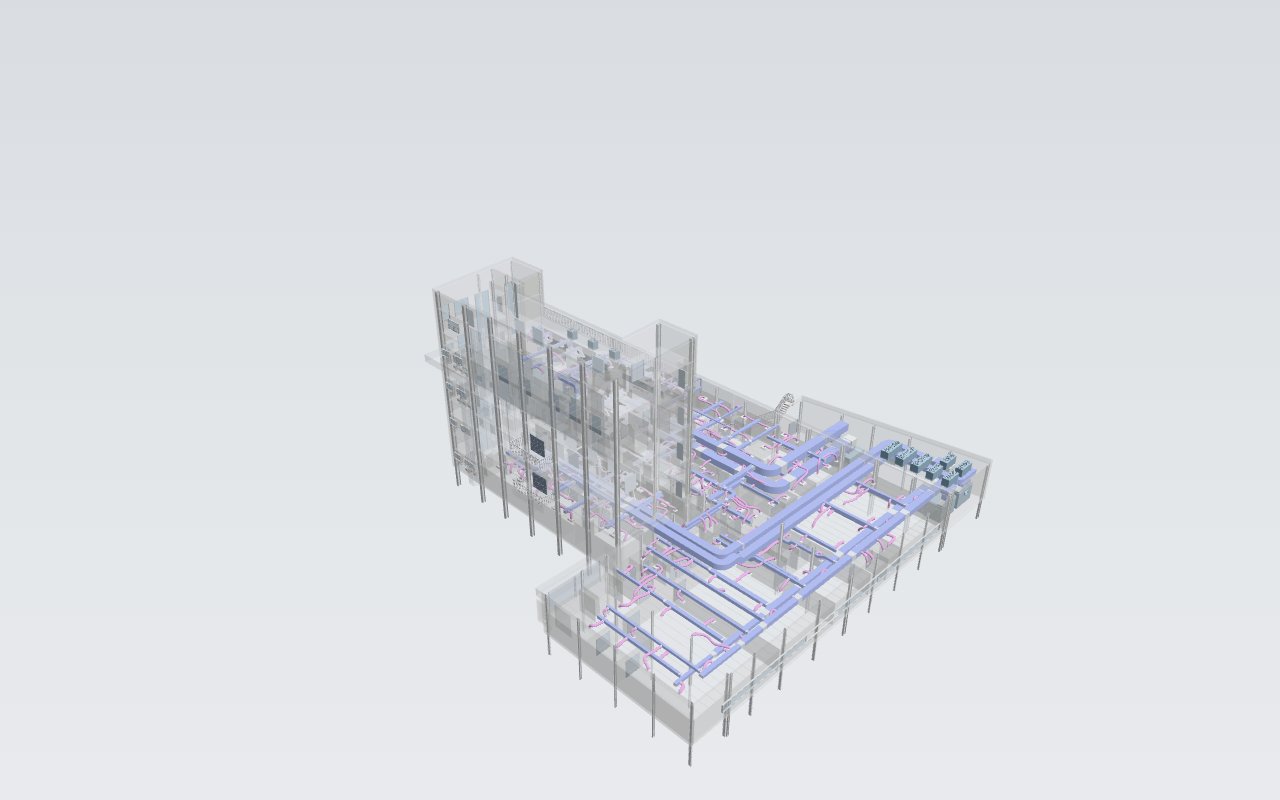
Drag to rotate · Right-drag to pan · Double-click to focus
Other business areas
Contact Us
Your next project starts here.
Talk to us about the right engineering approach for your facility, scale and schedule.